
The Arena Journal
In medias res
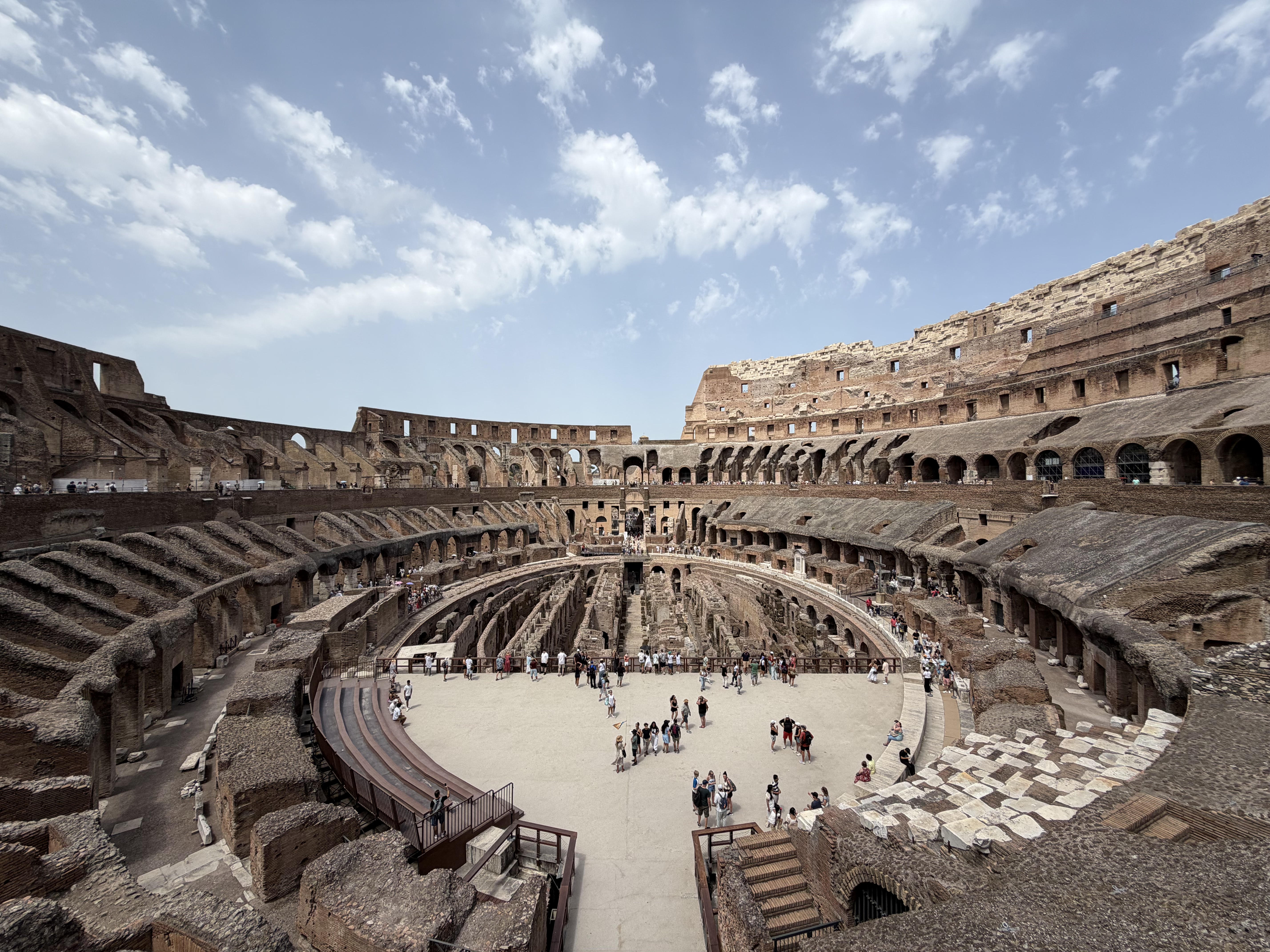
The Arena Journal is an intellectual publication founded to bring the intellectual rigor and vibrancy of conservative life at the University of Virginia to the published page.
Featured Essay
Enlightened Protestantism: How Christians Justified the American Revolution
Most Americans are familiar with the traditional story of the American Revolution: as the British government grew increasingly tyrannical, they inflicted abuses upon the colonists that compelled the people to throw off the yoke of tyranny, eventually creating the freest and most prosperous country in the world. Although this simplified story of the Revolution conveys certain truths, it is woefully incomplete. To start, only about forty-five percent of the colonists actually identified as Patriots—that is, in opposition to the Crown of England—with the rest roughly split between Loyalists and noncommittal. Considering these demographics, it is often easy to forget the radical nature of rebellion against one’s mother country for the individual Patriots, especially those intellectuals among them who sought to morally justify the Revolution through Christian tradition and contemporary political thought. Beginning with an analysis of Scripture and Catholic just war theory, I will argue that the justification for the American Revolution’s moral legitimacy was not traditionally Christian. I will then trace how Protestant theology, by shaping Enlightened political thought, fundamentally transformed the traditional Christian understanding of authority in the Church and state, furnishing the Colonists with an intellectual justification for revolution.
Read the Journal
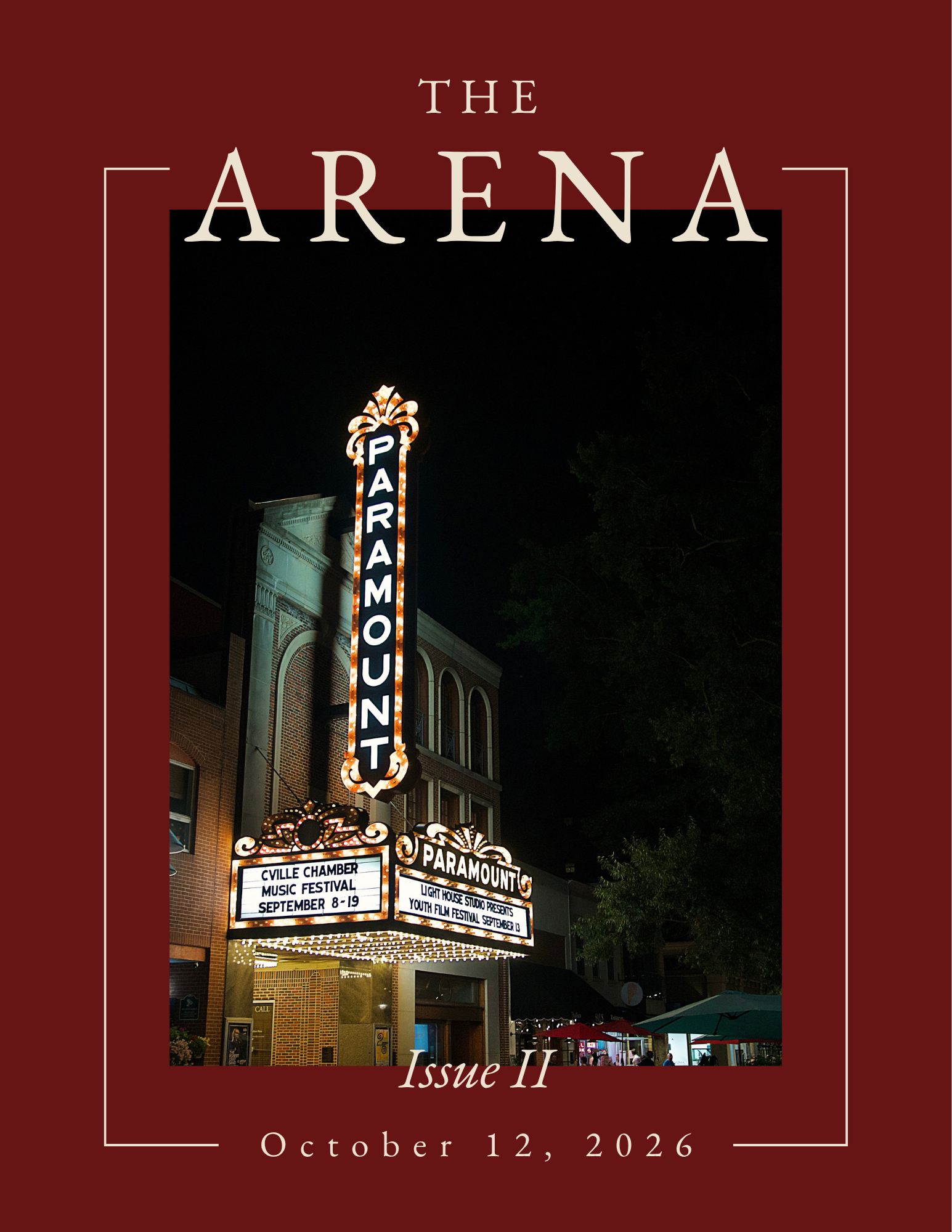
The Arena Issue No. 2: Reclaiming Film
Reclaiming Film: explore cinematic themes from both the modern age and times of old
Read the current issue From the Archive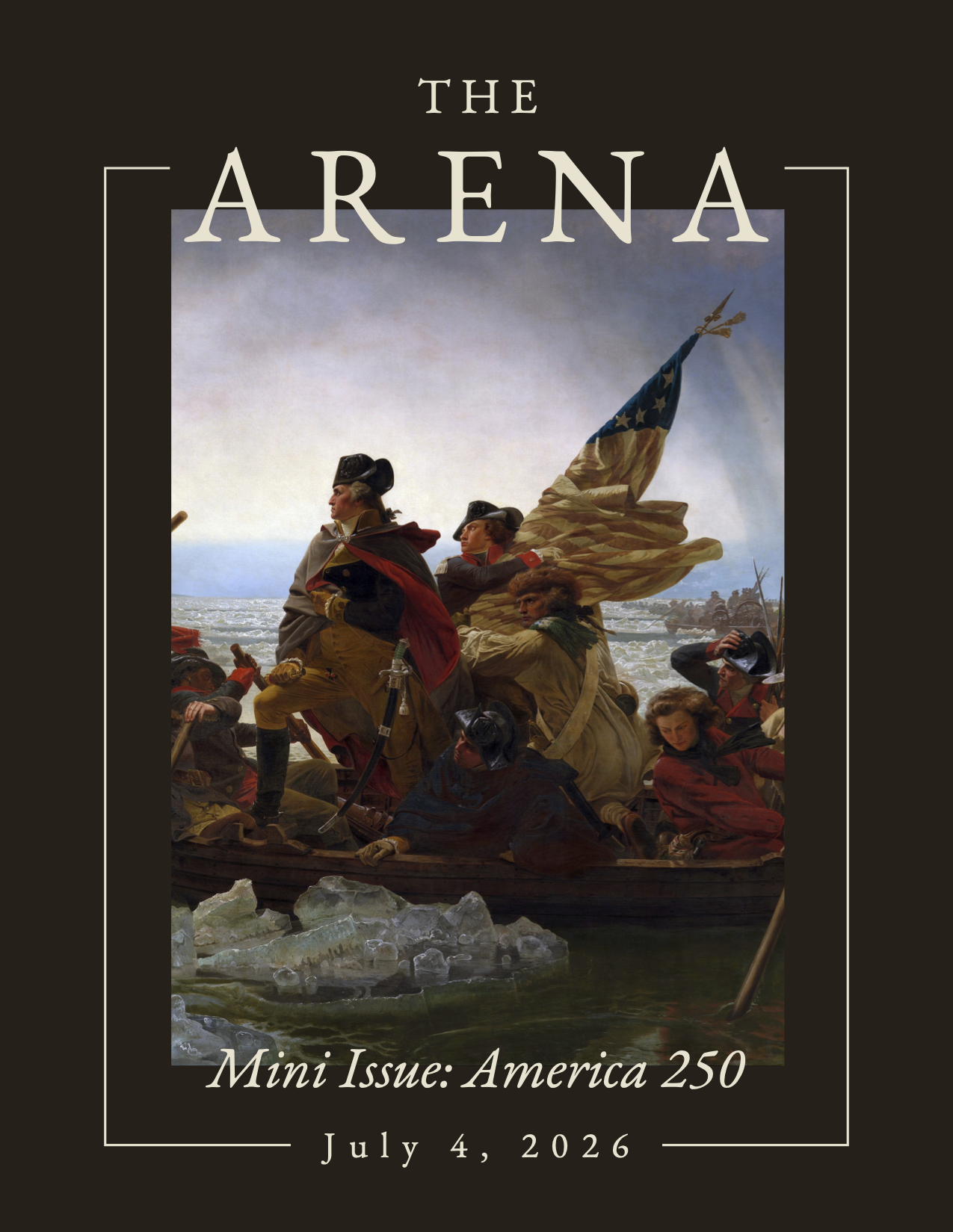
The Arena Special Issue: America 250
Essays on the American founding, its inheritances, and what is owed to a republic turning two hundred fifty.
Read Special Issue: America 250It is not the critic who counts; not the man who points out how the strong man stumbles or where the doer of deeds could have done them better. The credit belongs to the man who is actually in the arena, whose face is marred by dust and sweat and blood.Theodore Roosevelt, “Citizenship in a Republic,” 1910
Essays
Compositions engaging with philosophy, politics, literature, and the conservative tradition.


Literary Features
Poetry and prose selected from student submissions.
Reviews
Considered takes on books, movies, and poetry.