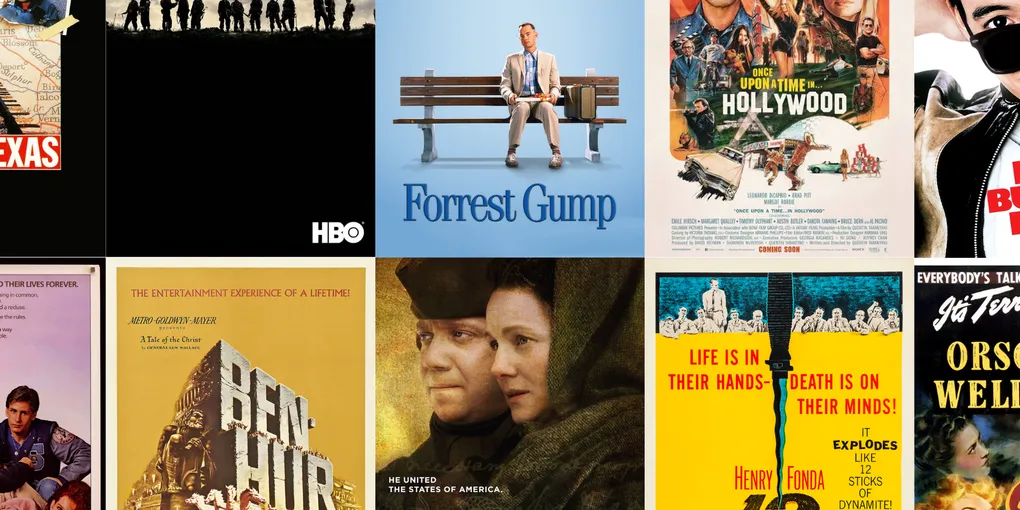
The Arena Summer Movie List
From your Editors
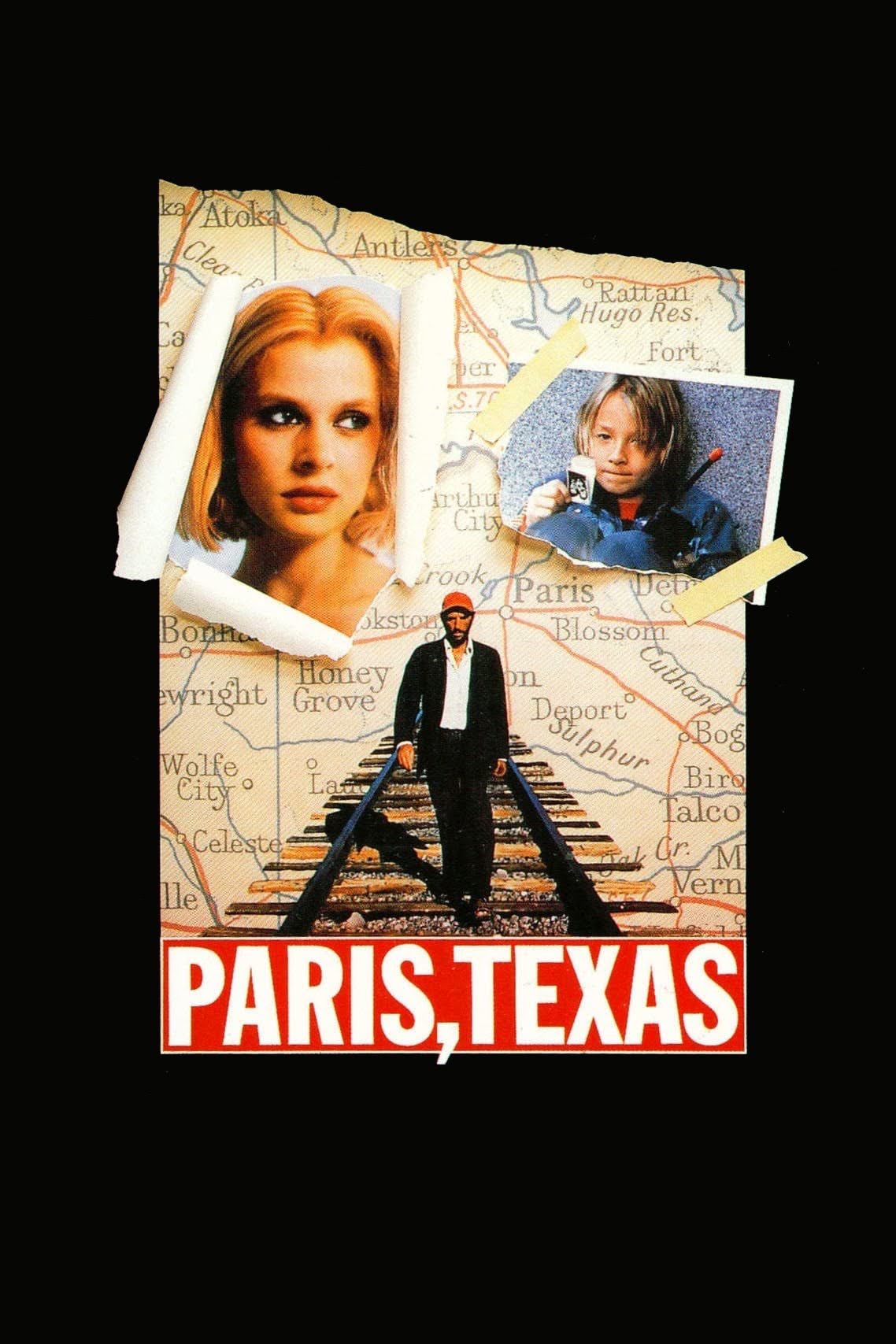
1. Paris, Texas (1984) - Wim Wenders
Although he’s German, director Wim Wenders consummately captures the expanse and radiance of the American Southwest, the backdrop of his family drama about a broken reunion. The story of Travis, Jane, and their son, Hunter, underscored by a nostalgia for a familial unity long past, simultaneously conveys the wholesome promise of the nuclear family and the heartbreaking aftermath of its unraveling.
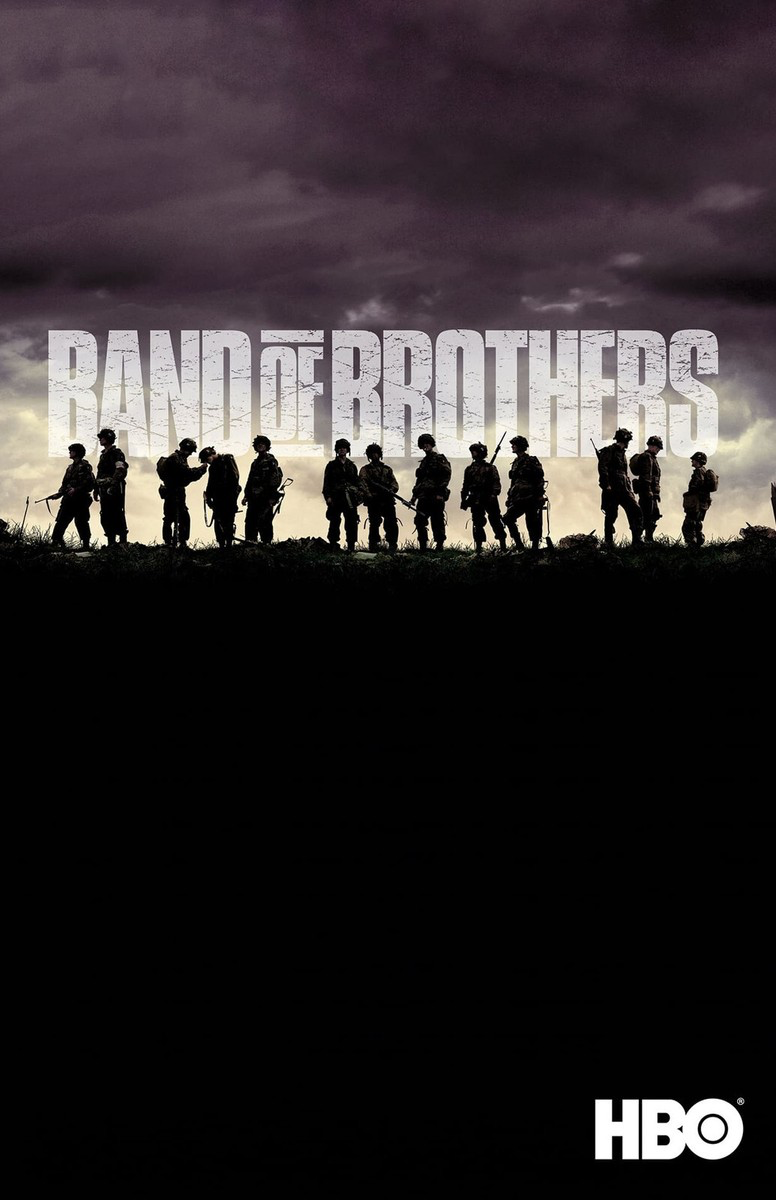
2. Band of Brothers (2001) - Tom Hanks, Steven Spielberg, Erik Jendresen
Hanks, Spielberg, and Jendresen give us a series that inspires on multiple fronts: as a historical project that captures the journey of Easy Company in Western Europe with often-visceral accuracy; as a high-budget and thoughtfully acted, written, and produced achievement of early prestige television; and, most importantly, as a testament to the endurance found in true brotherhood—the bond between men dedicated together to a higher cause.
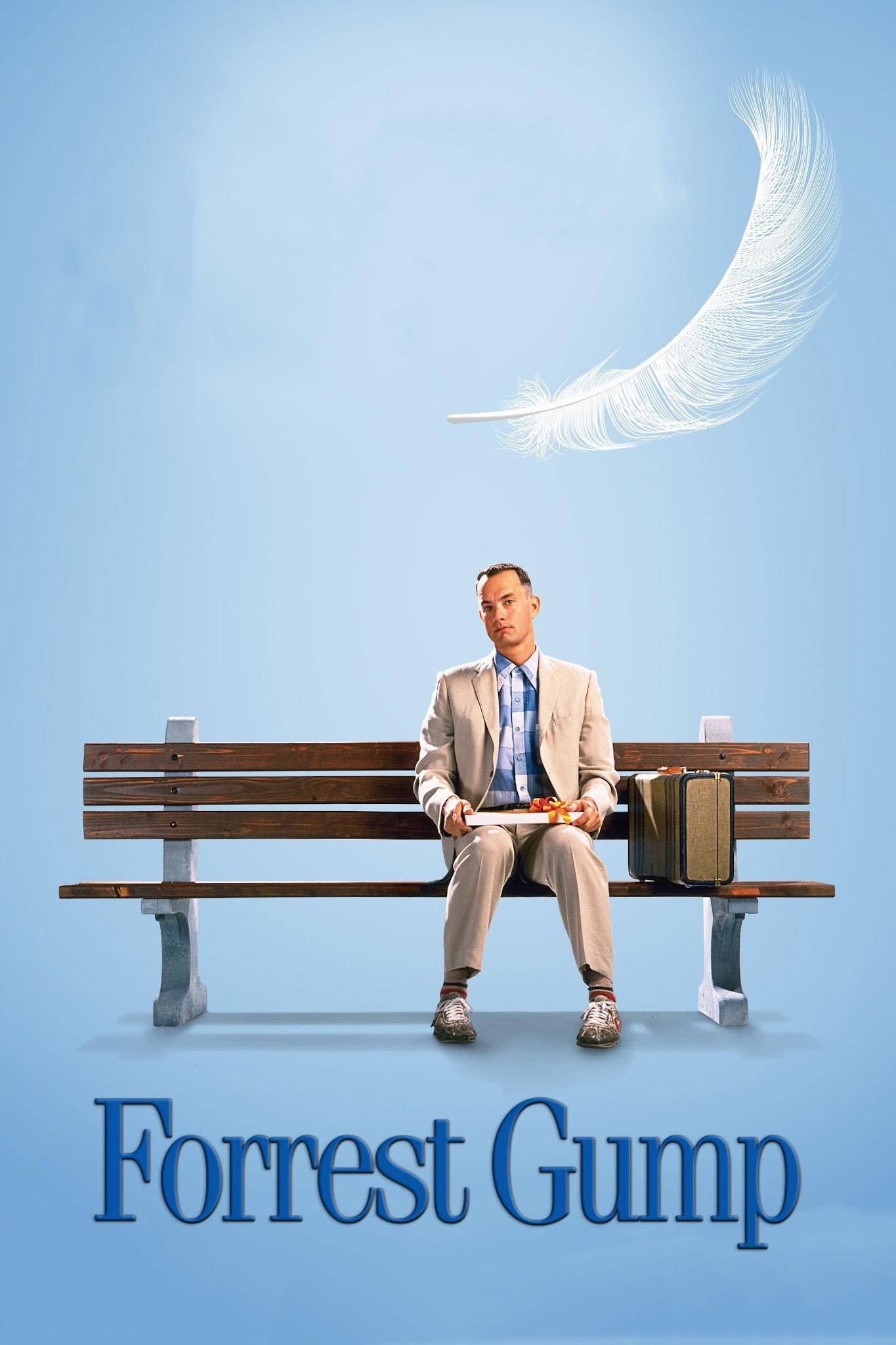
3. Forest Gump (1994) - Robert Zemeckis
An emotionally rich portrayal of America, both its triumphs and disasters, in the second half of the twentieth century through the innocent and kindhearted eyes of Forrest Gump. Forrest faces turbulence not only in his run-ins with history but also in his relationship with Jenny, a love interest whose complexity matches that of America.
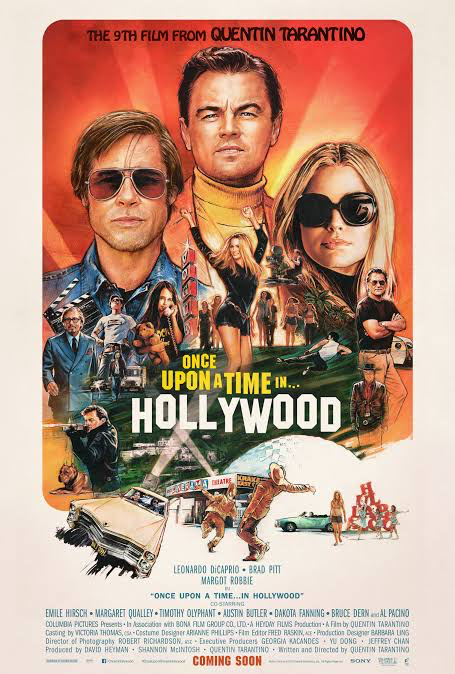
4. Once Upon a Time… In Hollywood (2019) - Quentin Tarantino
Tarantino writes a love letter to Golden Age Hollywood through this film. It revels in the idealized vision of American celebrity before facing the doom of that idealism: the Manson murders. Tarantino is no stranger to rewriting history in his films. When faced with Charles Manson, will Tarantino accept Golden Age Hollywood’s fate?

5. Ferris Bueller’s Day Off (1996) - John Hughes
A defining entry of American comedic filmmaking, John Hughes’s Ferris Bueller’s Day Off continues to resonate with Americans today by packaging themes of growing up, anxieties of emerging adulthood, and the absurdity of adult attitudes in a hilarious and adventurous day off from school, brought to life by the charm of Matthew Broderick, Alan Ruck, and Mia Sara.
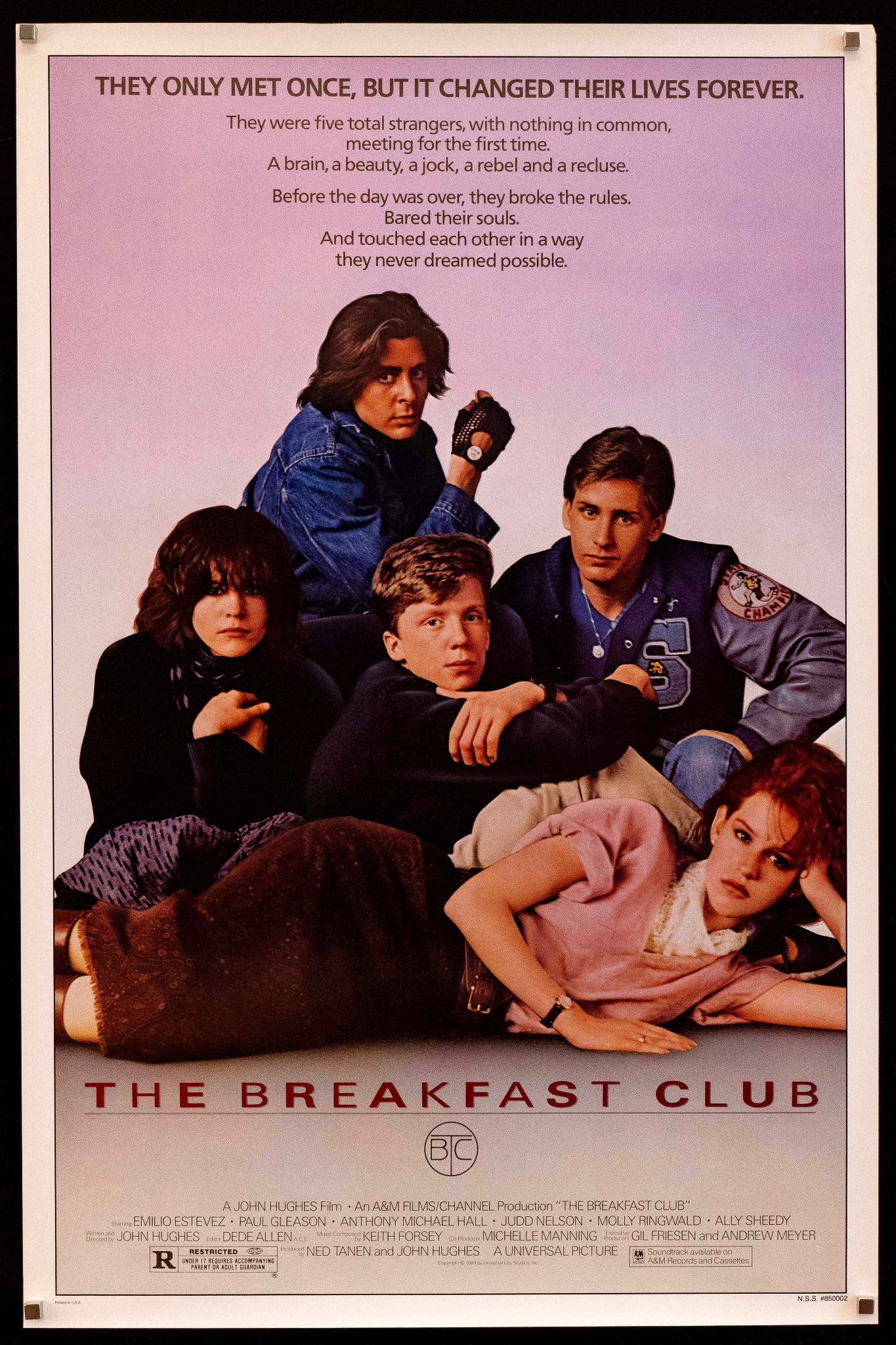
6. The Breakfast Club (1985) - John Hughes
Hughes also looks at high school life in 1980s America in The Breakfast Club, a film that explores what happens when different high school archetypes spend a day together at Saturday detention. Their day together proves to be a clash between their commonality and the categories imposed upon them by adults, their peers, and themselves.
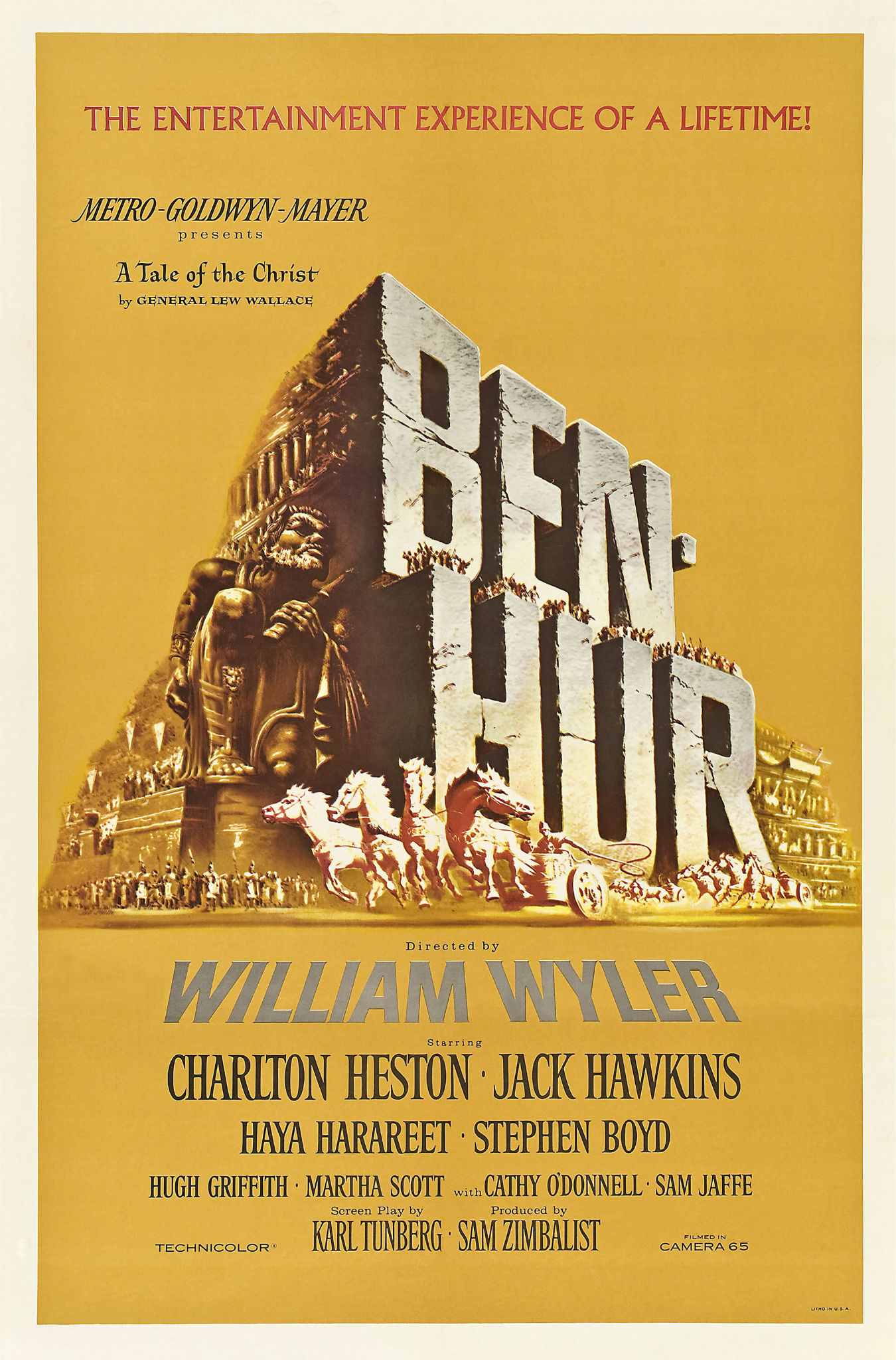
7. Ben-Hur (1959) - William Wyler
The blockbuster of blockbusters. Shot on Super Panavision 70, Ben-Hur shows its being the most expensive film ever at the time of its release through its scale and larger-than-life practical effects, whether it be naval battles, triumphs, or chariot races. It presents the Roman Empire and the life of Christ through the grand lens of Hollywood’s Golden Age.
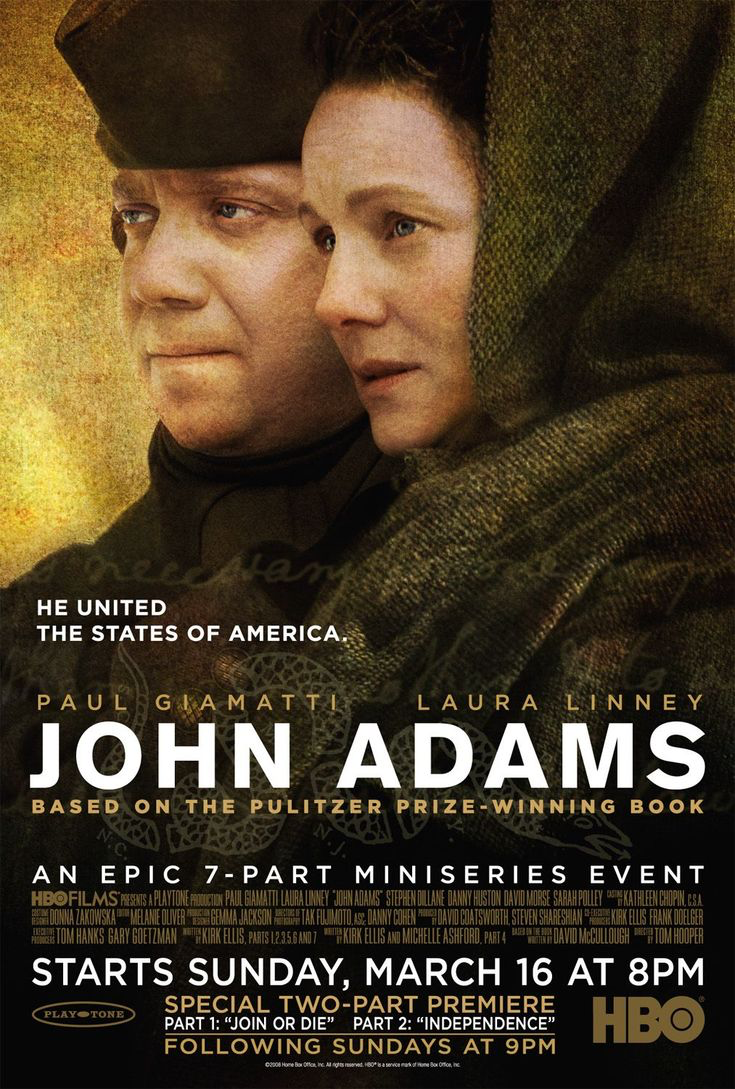
8. John Adams (2008) - Tom Hooper
From his principled defense of the accused in the Boston Massacre to reconciling with Thomas Jefferson by letter, “John Adams” presents the life of the Massachusetts Founder who served as our second president. The series gives Adams’s personal life just as much dramatic weight as the founding of our nation, providing understanding of the man himself as much as his impact on America.
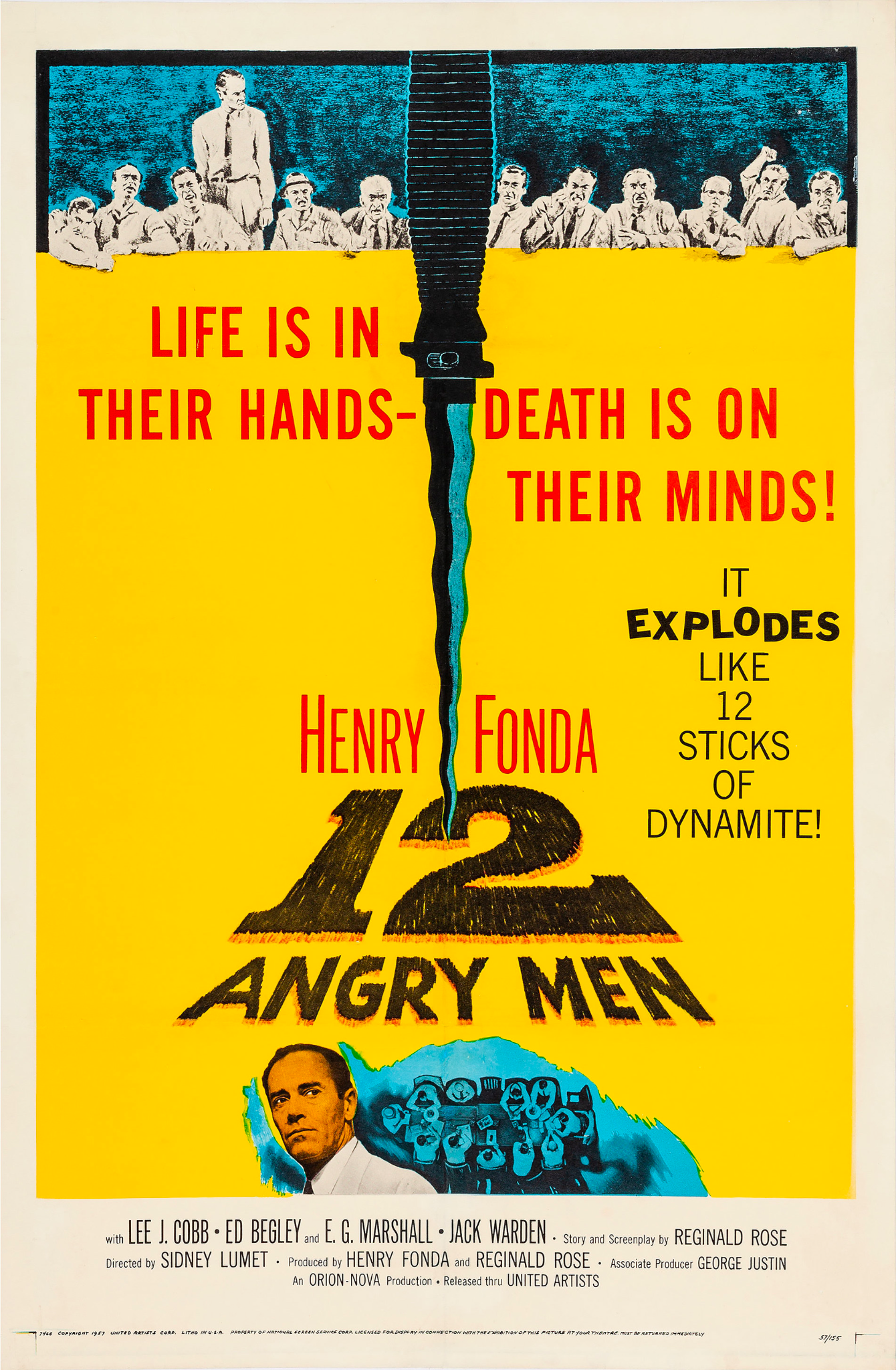
9. 12 Angry Men (1957) - Sidney Lumet
A film that almost entirely takes place in one jury deliberation room so that the enthralling script can take center stage. When combined with controlled performances across the cast, 12 Angry Men highlights the danger of prejudice in the American jury system and conveys the American’s pain and attendant humility upon discovering his personal biases.
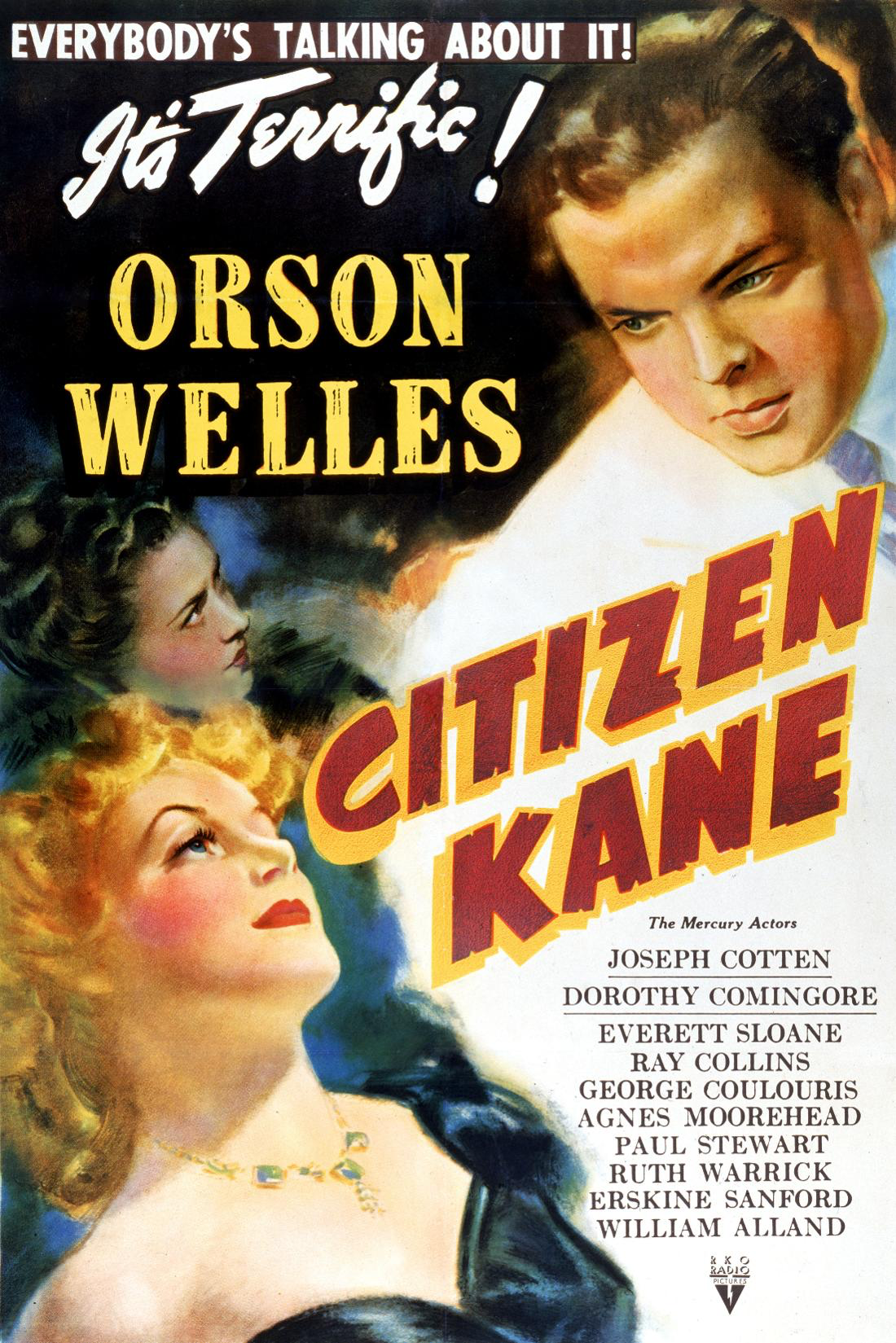
10. Citizen Kane (1941) - Orson Welles
Welles not only pioneers makeup techniques and unconventional story structure in Citizen Kane but explores a fundamentally American tension, pitting the grandeur of abundance and notoriety against the sustaining meaning of simple delights. In exploring the life of Charles Kane, Welles pushes back against the worldly glory that the striving American spirit is often misguided toward.