The Arena Summer Book List
From your Editors
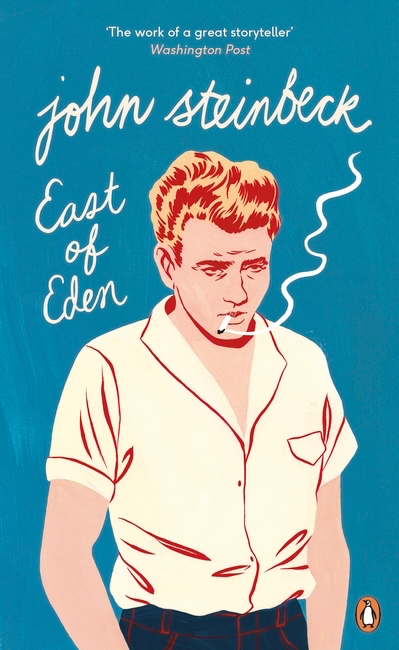
1. East of Eden (1952) - John Steinbeck
Steinbeck’s masterpiece East of Eden is an epic which plants characters in the lush Salinas Valley of California, capturing a bustling, blooming part of our country in an age just as vibrant. More sprawling than Steinbeck’s landscapes, however, are the central American questions he grapples with: to what degree are we bound to the sins—and successes—of our forefathers? Are we truly free, and is freedom truly worth pursuing?
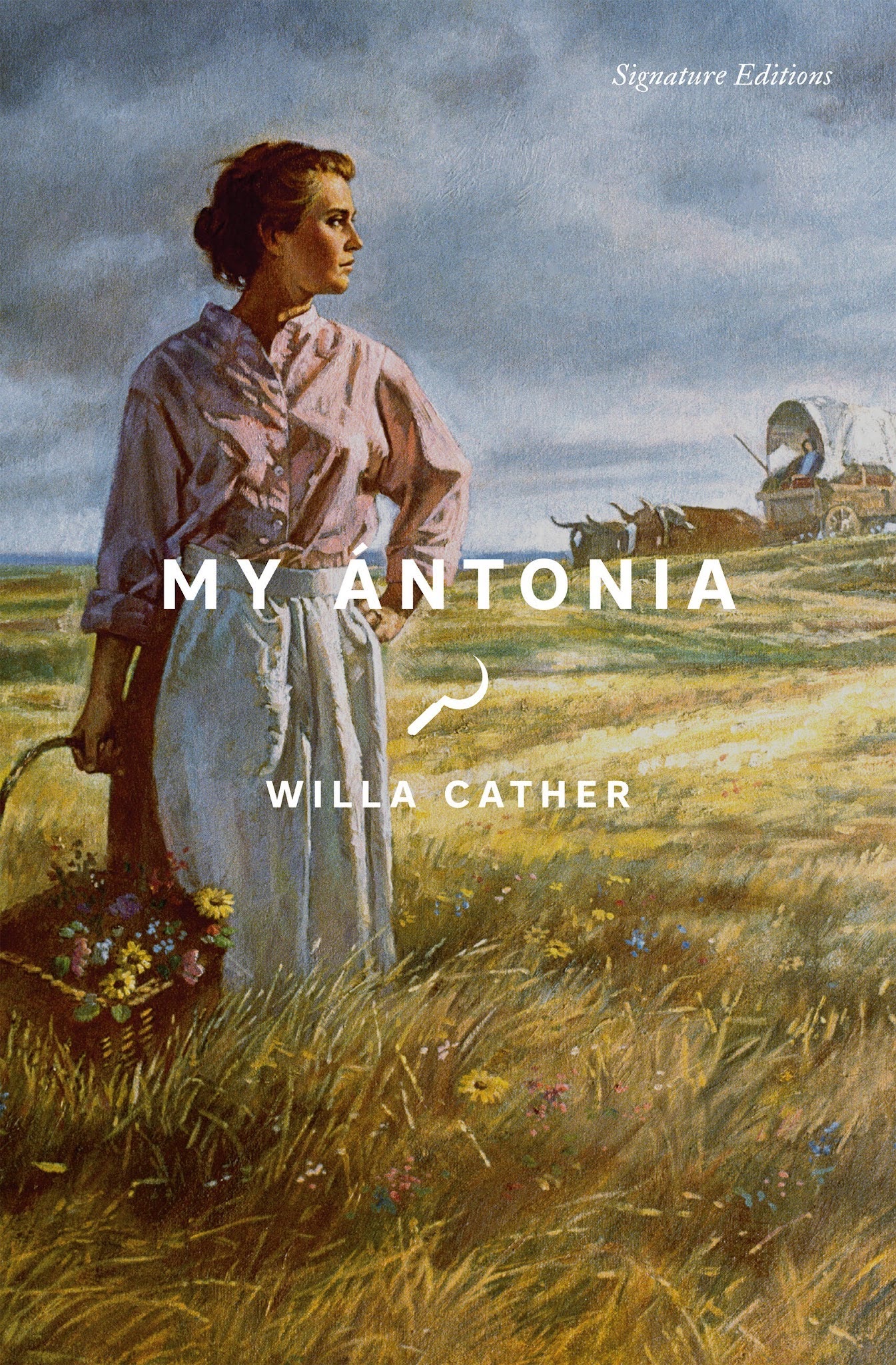
2. My Antonia (1918) - Willa Cather
Where East of Eden is breathtaking and expansive, My Antonia is humble and unassuming. This is a touching tale told by a boy who watches his friend Ántonia, a Bohemian immigrant, blossom from a caretaker of the land into a nurturer of the next generation. Simultaneously charming and powerful, this is a novel which manages to carry the weight of the West on its shoulders.
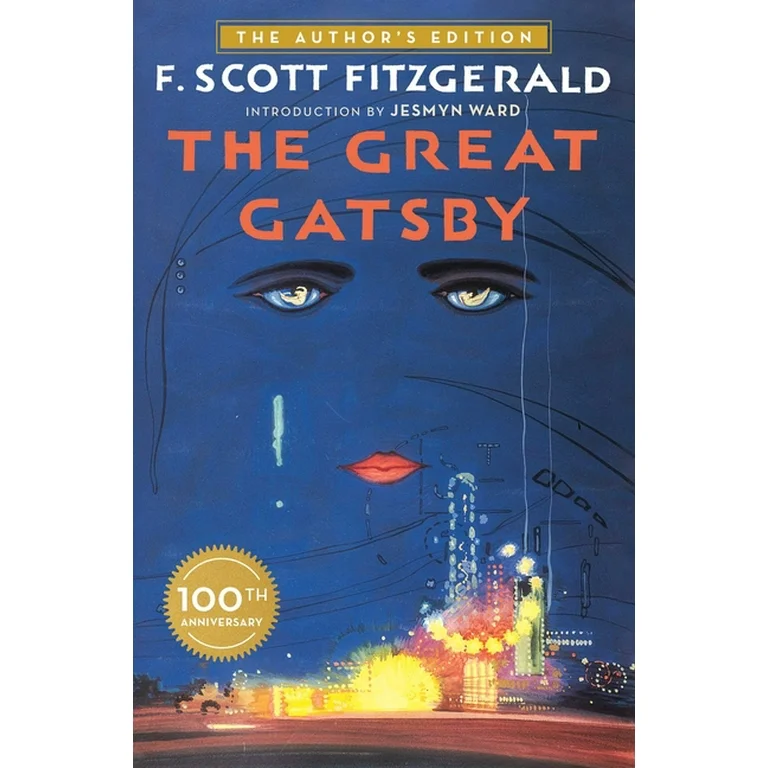
3. Great Gatsby (1925) - F. Scott Fitzgerald
You would be hard-pressed to find a novel which is both as short and as powerful as this American staple. Set against the backdrop of the Roaring ’20s, the tale of Gatsby’s mysterious rise and legendary fall as he pursues the elusive Daisy, and, symbolically, the American dream, is an enduring commentary on the glory and folly of our nation’s spirit.
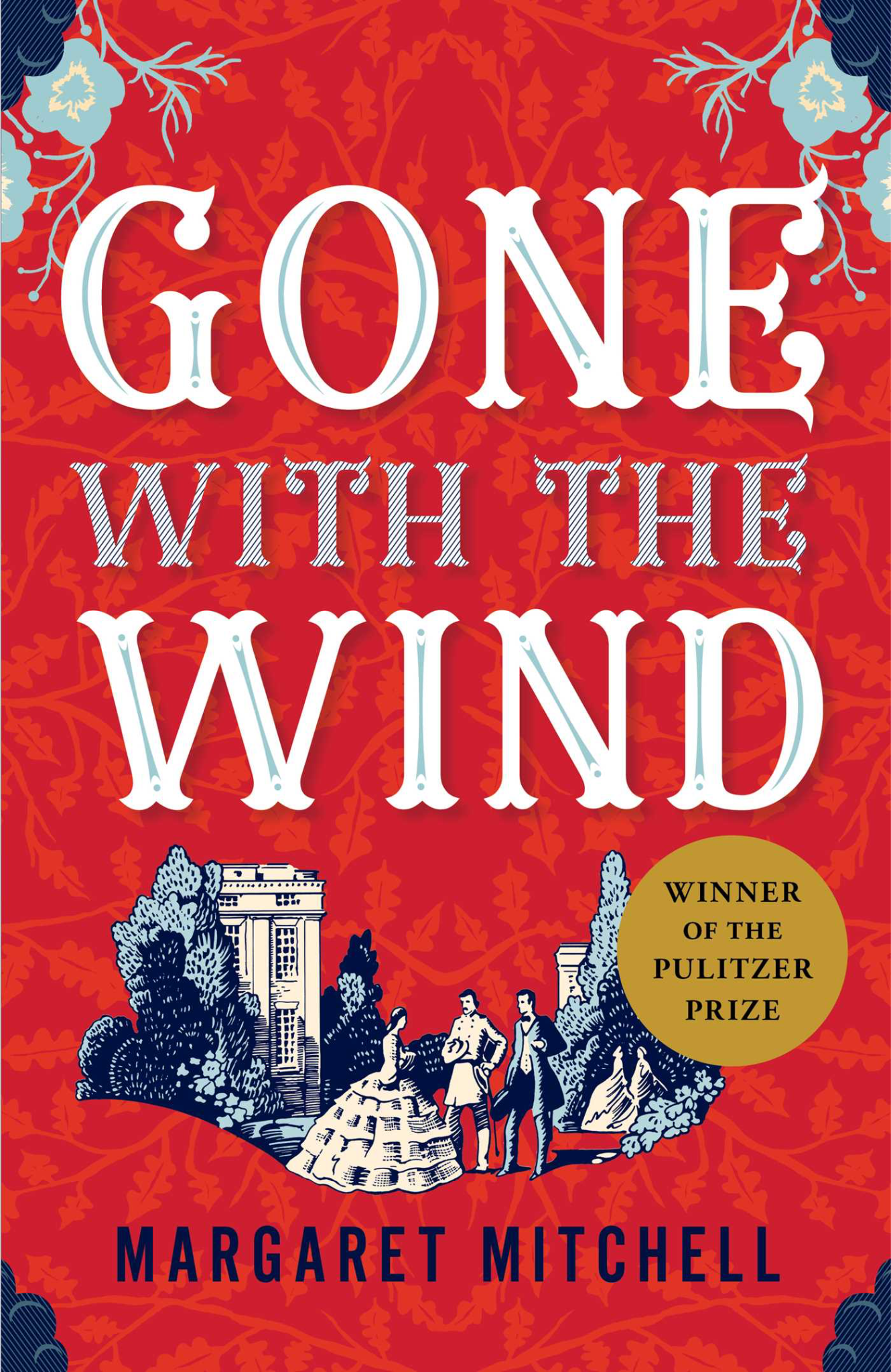
4. Gone with the Wind (1936) - Margaret Mitchell
This Southern epic, while a work of popular fiction, is also a pressing encapsulation of the spirit of the South and of America as a whole. Part romantic drama, part war novel, part historical commentary, few books so fully capture the scope of a region and the heart of the people within it.
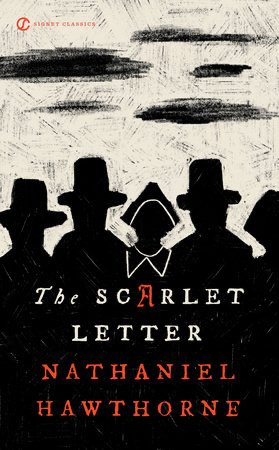
5. The Scarlet Letter (1850) - Nathanial Hawthorne
While our books so far have dealt with an America that has a definite, if perilous, national identity, this novel precedes an established America as it peers into a Puritan religious community akin to the ones in which the earliest New England settlers lived. The novel grapples with sin and judgement while also exploring the fundamental American concept of community in uncomfortable, unexpected ways.
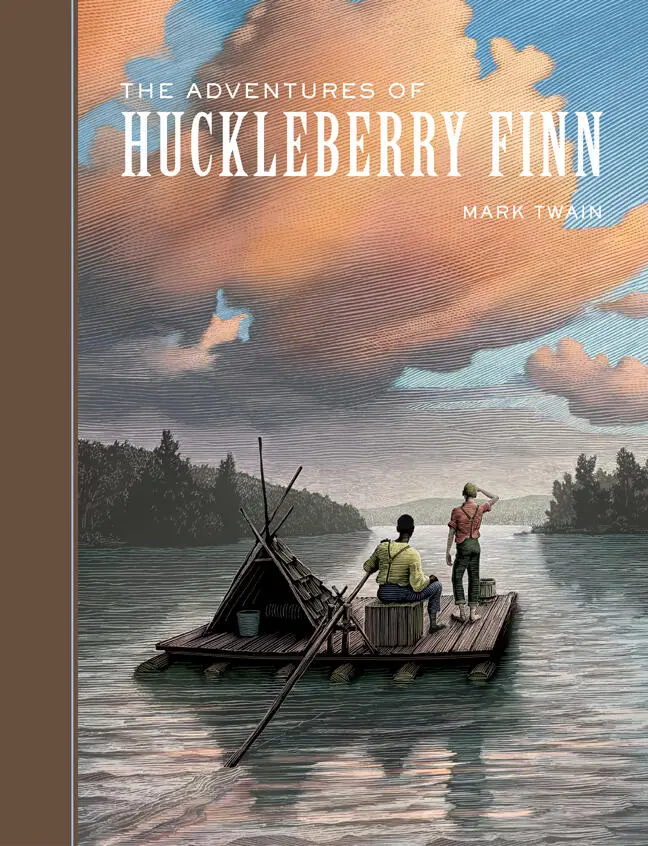
6. Huckleberry Finn (1885) - Mark Twain
Twain’s novel has recently had a moment in the spotlight for being politically controversial; that’s hardly surprising for a book which deals unflinchingly with America’s loaded racial and class tensions. Honest and full of adventure, Huckleberry Finn wittily appeals to children and adults alike.
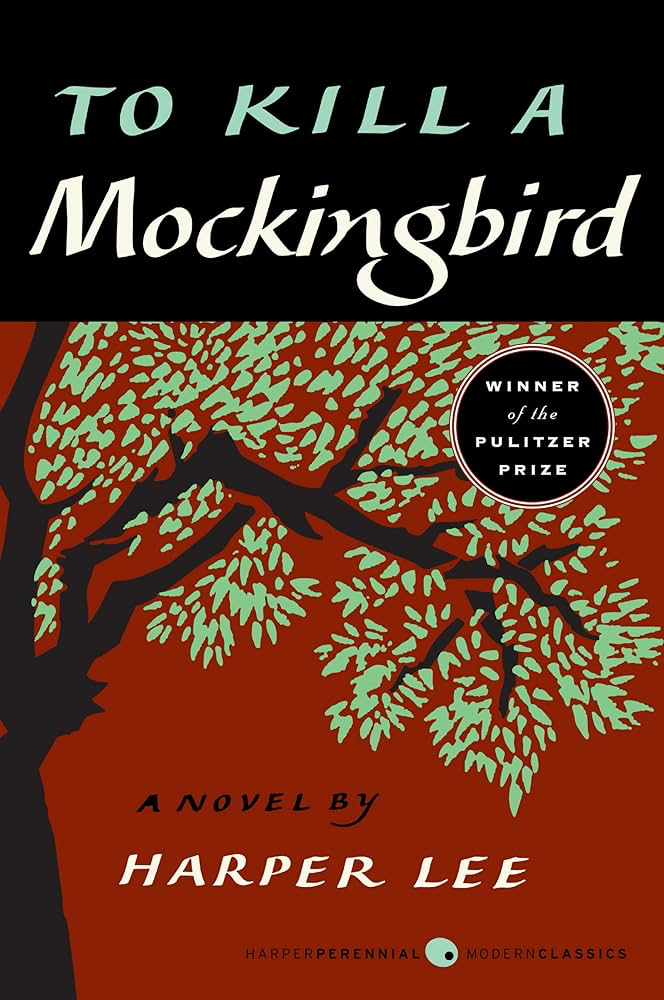
7. To Kill a Mockingbird (1960) - Harper Lee
To Kill a Mockingbird may be told through the eyes of a child (Scout Finch), but that does not diminish the gravity of its tale: that of a lawyer defending a black man falsely accused of rape in a Southern town plagued with prejudice. Snapshots of childrens’ games are interspersed with scenes of trial proceedings, lynchings, and KKK assemblies. The reality of the tensions being revealed are just as hard for adults to grapple with as they are for Scout.
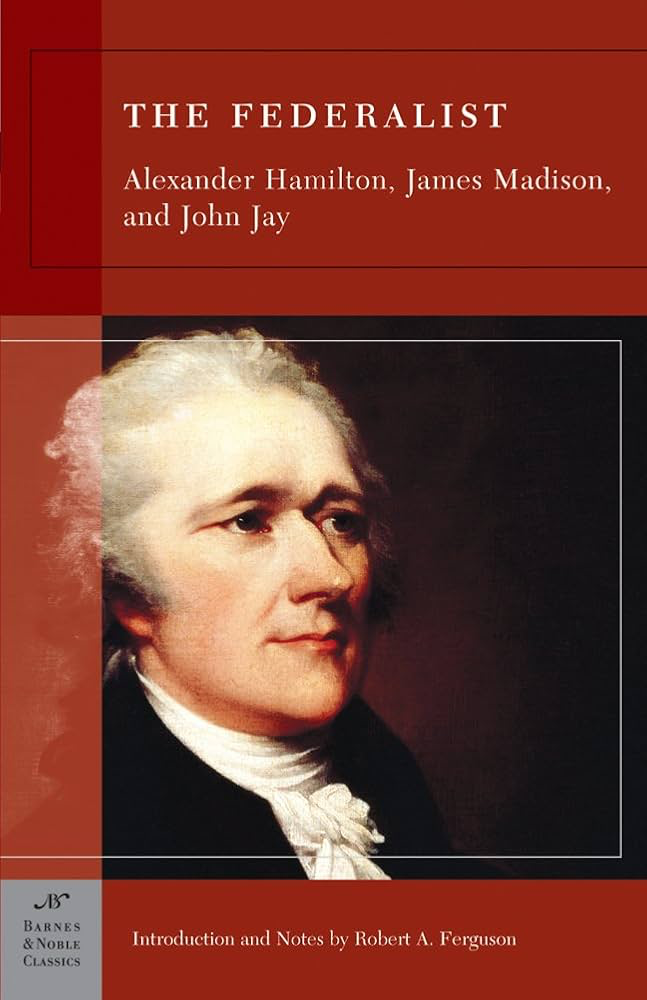
8. The Federalist (1787-1788) - Alexander Hamilton, John Jay, James Madison
This is not only the essential work for students of American government. It is a wellspring of the political wisdom behind the most enduring national, codified constitution in history. All Americans who are interested in exercising civic virtue would do well to learn about the Founding vision for the United States under the Constitution.
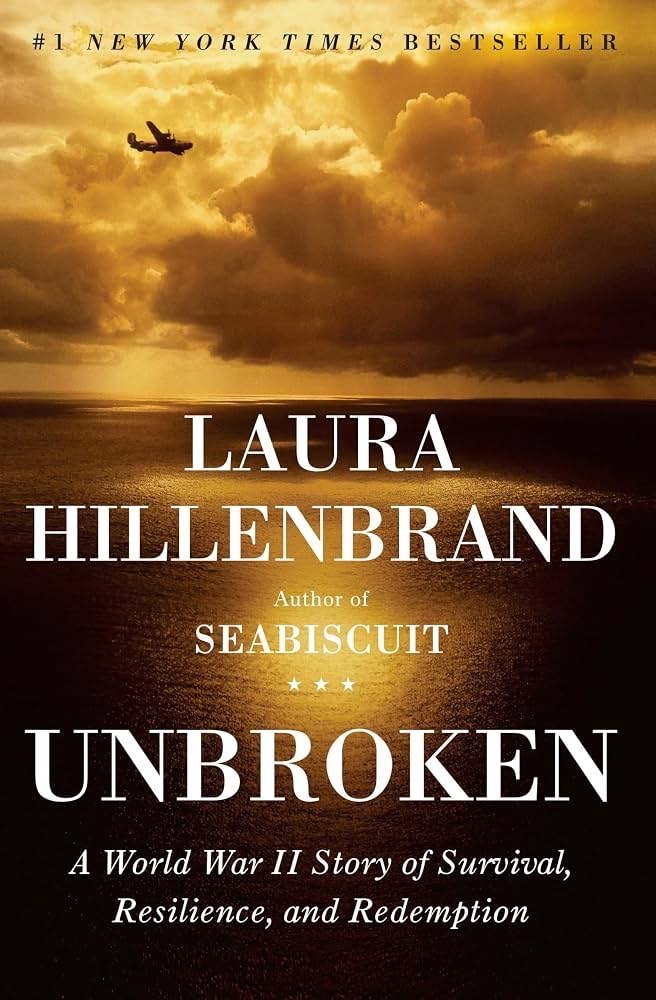
9. Unbroken (2010) - Laura Hillenbrand
Times of intense suffering are often the greatest occasions for heroes to arise, and World War II was no exception. Enter Louis Zamperini, American Olympic runner who was destined to survive 47 days on a life raft and over two years in a Japanese POW camp after his plane crashes. These pages contain horrific depictions of torture and brutality, but they also point towards America’s distinct endurance, resilience, and hope.
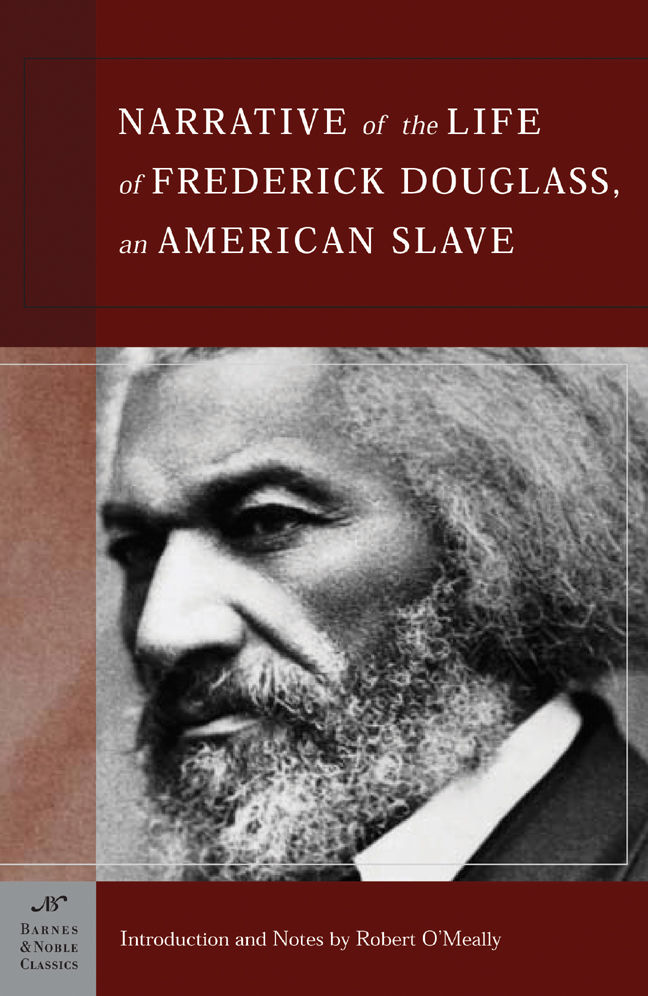
10. Narrative of the Life of Frederick Douglass (1845) - Frederick Douglass
Like Louis Zamperini, Frederick Douglass was able to rise up out of unimaginable hardship and achieve personal greatness. In a modern rendition of Plato’s Cave, Douglass heaves himself out of the darkness of ignorance that he faces as a slave, grasping at the light of learning which is eventually able to break his chains— both intellectual and physical. This is American grit and determination at its finest.